
6 C Carbon
Nonmetal, mass: 12.011 u, 2 stable isotopes (12, 13), abundance rank (earth/space): 13/4Click image to magnify. Ultrapure carbon as graphite. Original size in cm: 1 x 3
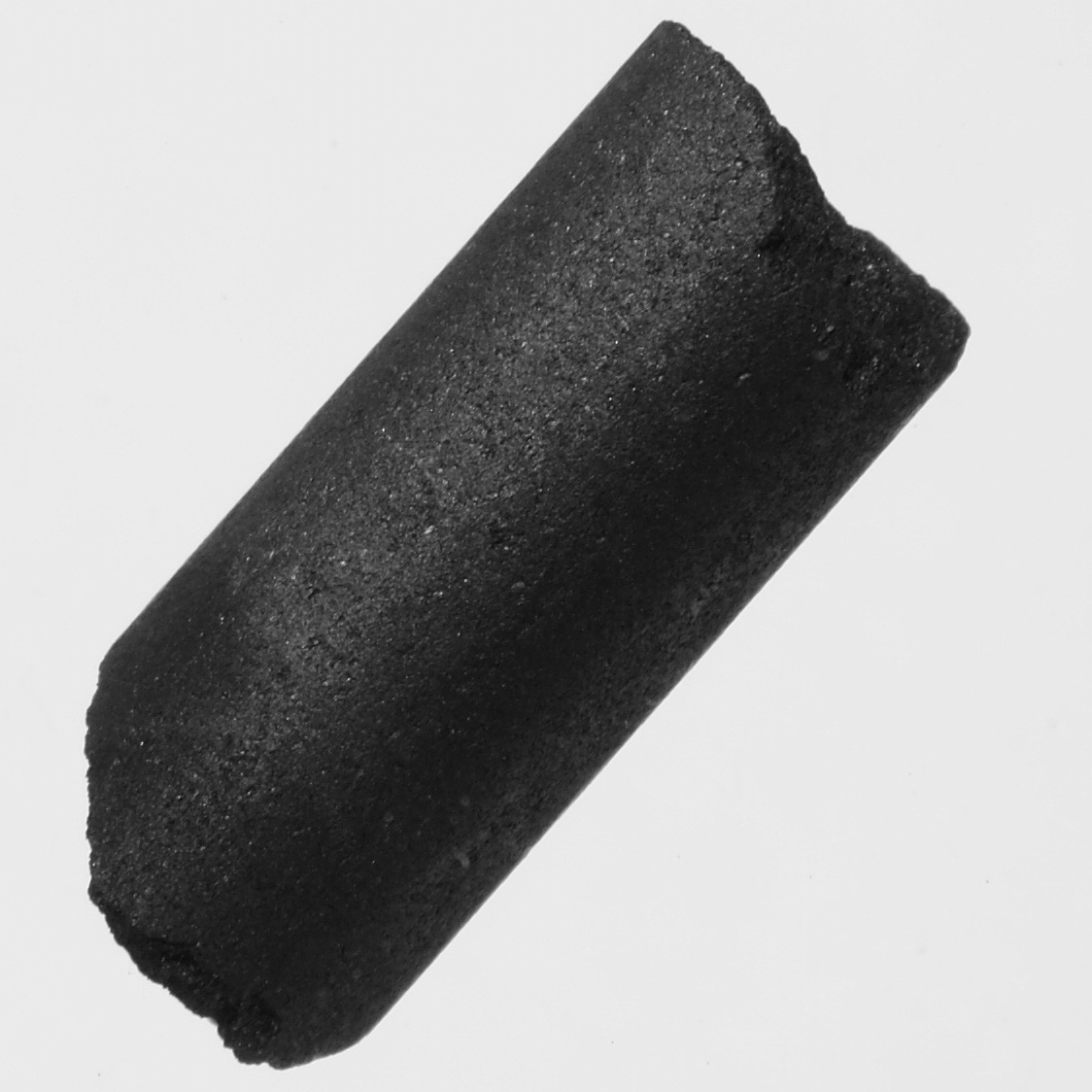

Carbon is the base of all life and the element with the most complex chemistry, which is called organic chemistry. Coal, which consists mostly of carbon, is known and used since prehistoric time. Mineral oil consists largely of hydrocarbons. The combustion of carbon produces carbon dioxide, CO2. This is a greenhouse gas, which traps heat radiation.
Graphite, which is very soft, is the most common carbon allotrope. Another one is diamond, famous for its value and hardness. Fullerenes are further allotropes, which were discovered in 1985. They could have many different applications in the future.
Compounds of carbon and another, more electropositive element are called carbides. Such with elements of the first three groups are salt-like and react with water. Of the others, some are extremely hard and durable, like silicon carbide and tungsten carbide.
The natural, radioactive isotope C14, which has a half-life of 5730 years, is absorbed in small amounts by every organism. The abundance of this in old organic material allows a good specification of its age in a span between 300 and 50,000 years. This makes it an important tool for archaeology.
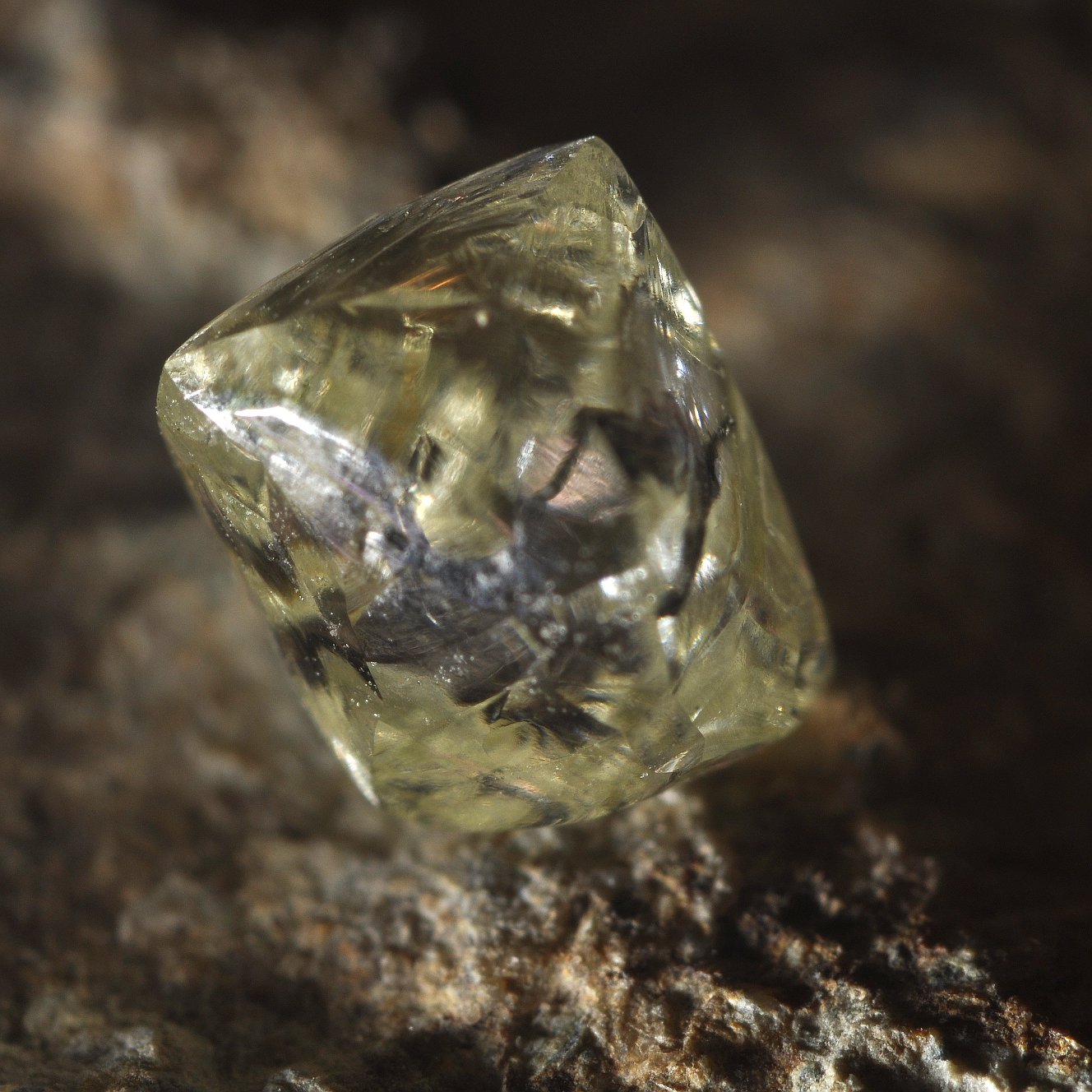
Left: Rough diamond, this photo is public domain. Diamond, a cubic carbon crystal, is the hardest known mineral.
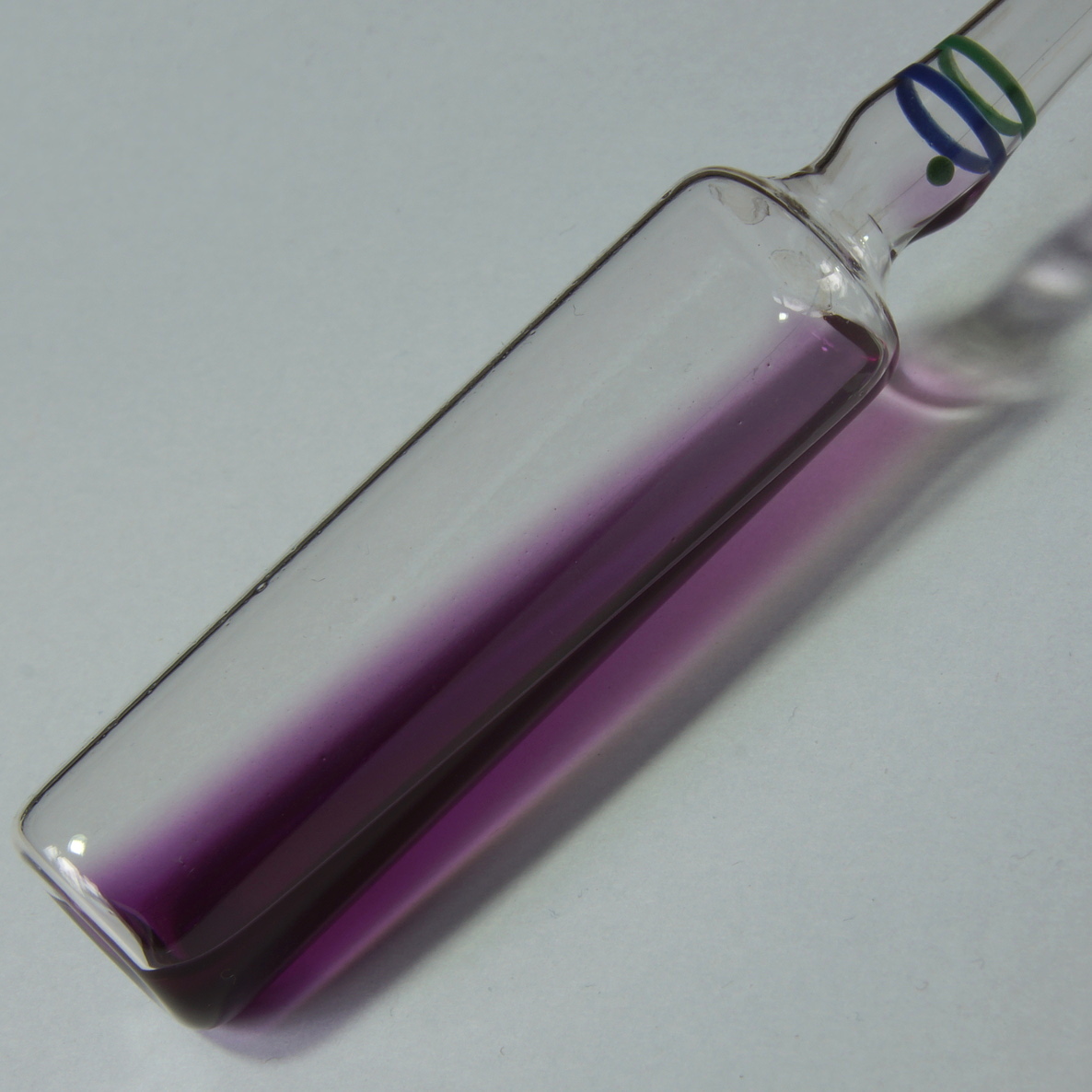
Right: C60 fullerenes (buckyballs), dissolved in toluene.

Silicon carbide, SiC, 100 grams, 5 x 10 cm. The very hard, brittle material is used for example for grinding.
Advertisement
The images are licensed under a Creative Commons Attribution 3.0 Unported License, unless otherwise noted. Attribution by linking (outside of the internet credit with url) to the according element page.
Page last changed on March 05. 2016
Hydrogen, Deuterium, Helium, Lithium, Beryllium, Boron, Carbon, Nitrogen, Oxygen, Fluorine, Neon, Sodium, Magnesium, Aluminium, Silicon, Phosphorus, Sulfur, Chlorine, Argon, Potassium, Calcium, Scandium, Titanium, Vanadium, Chromium, Manganese, Iron, Cobalt, Nickel, Copper, Zinc, Gallium, Germanium, Arsenic, Selenium, Bromine, Krypton, Rubidium, Strontium, Yttrium, Zirconium, Niobium, Molybdenum, Technetium, Ruthenium, Rhodium, Palladium, Silver, Cadmium, Indium, Tin, Antimony, Tellurium, Iodine, Xenon, Caesium, Barium, Lanthanum, Cerium, Praseodymium, Neodymium, Promethium, Samarium, Europium, Gadolinium, Terbium, Dysprosium, Holmium, Erbium, Thulium, Ytterbium, Lutetium, Hafnium, Tantalum, Tungsten, Rhenium, Osmium, Iridium, Platinum, Gold, Mercury, Thallium, Lead, Bismuth, Polonium, Astatine, Radon, Francium, Radium, Actinium, Thorium, Protactinium, Uranium, Neptunium, Plutonium, Americium, Curium, Berkelium, Californium, Einsteinium, Fermium, Mendelevium, Nobelium, Lawrencium, Rutherfordium || Lanthanoids, Actinoids || Home, All, Mosaic, Concentration game, Knowledge, Properties, Records, Archives, Islands of stability, Glowing gases
Hydrogen, Deuterium, Helium, Lithium, Beryllium, Boron, Carbon, Nitrogen, Oxygen, Fluorine, Neon, Sodium, Magnesium, Aluminium, Silicon, Phosphorus, Sulfur, Chlorine, Argon, Potassium, Calcium, Scandium, Titanium, Vanadium, Chromium, Manganese, Iron, Cobalt, Nickel, Copper, Zinc, Gallium, Germanium, Arsenic, Selenium, Bromine, Krypton, Rubidium, Strontium, Yttrium, Zirconium, Niobium, Molybdenum, Technetium, Ruthenium, Rhodium, Palladium, Silver, Cadmium, Indium, Tin, Antimony, Tellurium, Iodine, Xenon, Caesium, Barium, Lanthanum, Cerium, Praseodymium, Neodymium, Promethium, Samarium, Europium, Gadolinium, Terbium, Dysprosium, Holmium, Erbium, Thulium, Ytterbium, Lutetium, Hafnium, Tantalum, Tungsten, Rhenium, Osmium, Iridium, Platinum, Gold, Mercury, Thallium, Lead, Bismuth, Polonium, Astatine, Radon, Francium, Radium, Actinium, Thorium, Protactinium, Uranium, Neptunium, Plutonium, Americium, Curium, Berkelium, Californium, Einsteinium, Fermium, Mendelevium, Nobelium, Lawrencium, Rutherfordium || Lanthanoids, Actinoids || Home, All, Mosaic, Concentration game, Knowledge, Properties, Records, Archives, Islands of stability, Glowing gases
↑